Explore the stories that shape this place. Get to know the people and places that define it. Find the stays and experiences that welcome you in.
Most of Canada calls it the far north and stops there. The Yukon is 483,000 square kilometres for roughly 48,000 people. Most of it is so quiet and remote that you're left wondering when, or if, anyone stood there before you. Nobody visits by accident.
Come for the history, stay to experience summer's midnight sun or winter's aurora and star-filled skies. Either way you need a place to sleep, somewhere that actually fits the place you're in. That's what this page is for.
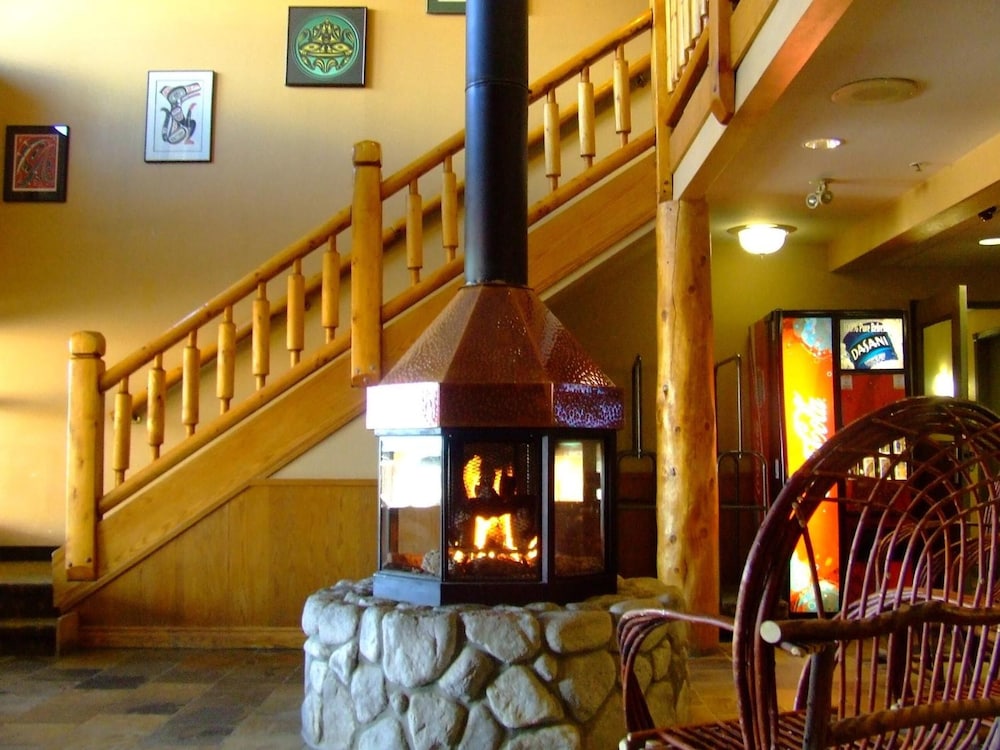
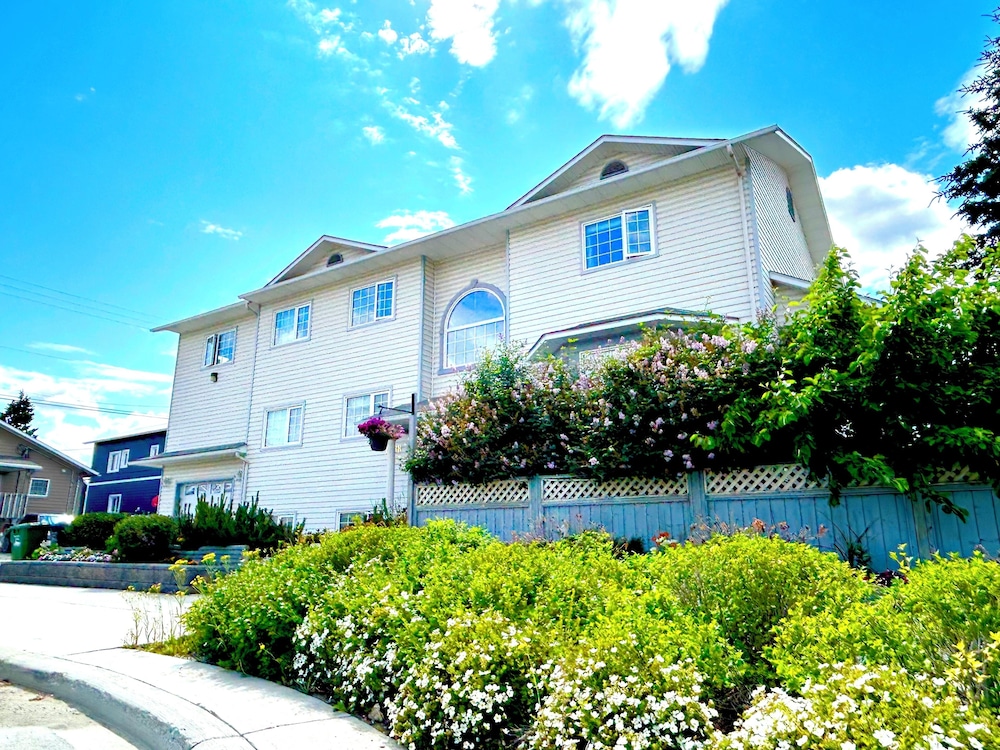
Things to doA Yukon bed isn't one thing. It's a farm stay near Lake Laberge, a room in a fully rebuilt gold-rush-era brothel, a lakeside lodge with its own dock, or a new hotel with First Nations art on the walls. We're building out real, bookable options across the territory, not just the capital, so where you sleep actually matches the trip you came for.
Browse stays →

Prices are recent captured rates in CAD, per night before taxes, and move with demand — the live figure is confirmed at checkout. Every booking through The Yukon funds one verified tonne of carbon removal at no extra cost to you.
The Yukon doesn't fit in one stop. Whitehorse holds the middle of it together; Dawson City still looks like 1898; Kluane's icefields sit an hour from Haines Junction; Old Crow, the only community north of the Arctic Circle, is reachable by nothing but air. Every destination has its own guide, what to see, where to stay, how to get there.
Explore destinations →

The compact grid between Main Street and the river — where every Yukon trip actually starts, whether you like it or not.
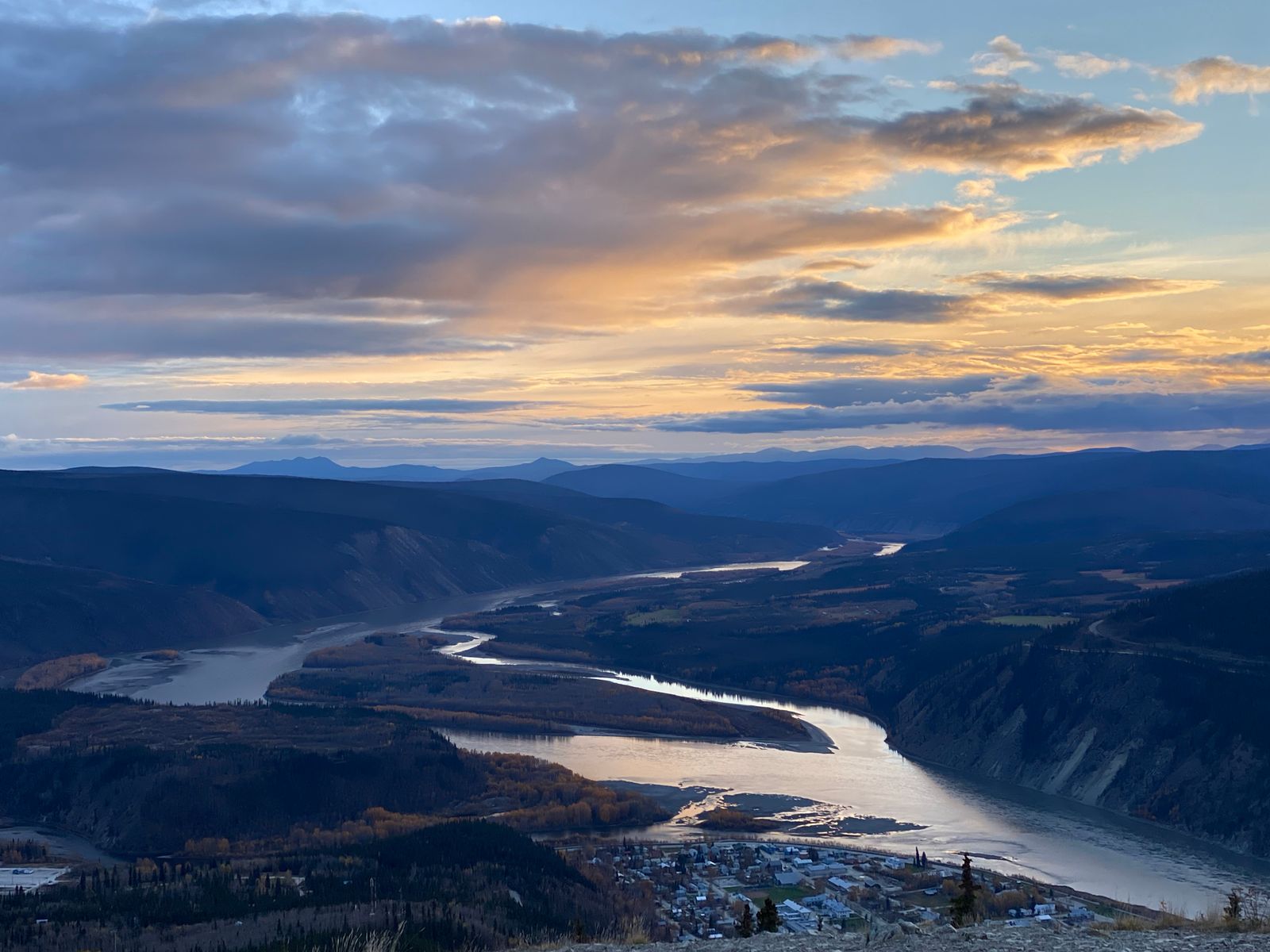
The Klondike Gold Rush town at the confluence of the Yukon and Klondike Rivers — still muddy, still dramatic, still fun.

Small town at the doorstep of Kluane National Park — mountains, glaciers, and the best bakery in the territory.

Gateway town on the Alaska Highway near the BC border — home of the Sign Post Forest, 450 km east of Whitehorse.

Two days is enough to see Whitehorse, dip into the wilderness, and eat a bison burger. A tight plan that skips 3 tourist traps most first-timers fall into.

Seven days lets you loop Whitehorse, Kluane, and Dawson City with 2 real wilderness days built in. Around 1,800 km of driving total — plan for one long push.

Yukon has 4 real accommodation zones and roughly 2,200 hotel rooms total. How to match neighborhood to trip style, from downtown Whitehorse to Dawson boutique.

Yukon has 2 tourist peaks (July and February–March) and a shoulder that most people miss. What each of the 12 months actually looks like on the ground.

483,000 km² with roughly 48,000 people. Five practical ways to move around, and knowing which to use where saves days of pain.

In June and July Yukon barely has sunset. In August through October the golden hour lasts 90 minutes. Six spots that deliver.
Every stay booked through The Yukon funds one verified tonne of carbon removal — same room, same price, the climate action already built into checkout.
You're not charged more and the hotel isn't paid less. It's just what happens when you tap Reserve.
 The Yukon